

Electricity is one of those elements of life that is both needed for modern human civilization to function, but also incredibly dangerous if not treated with the respect it deserves. Unfortunately, due to the former point, and the fact that we’re surrounded by some form of electricity almost all the time, that respect can go out the window, leading to potentially life-threatening situations or, in the case of the workplace, a shutdown of operations leading to a huge loss of income and productivity.
But with a bit of common sense and an understanding of how to interact with it, pretty much all potential issues can be rendered moot, leaving you and your team to carry on their day without fear of the repercussions that come from poor workplace safety.
Essential Hardware For Protection And Efficiency
Modern workplaces require a consistent power connection to function properly. If this becomes interrupted for whatever reason, efficiency and productivity can drop, causing a massive hit to cash flow, revenue, and, if left for too long, reputational damage from being unable to fulfill orders or interact with clients and customers.
Even if you operate in a developed nation where power outages are few and far between, you never know what can happen in the future (you just have to look at current geopolitical issues to prove how uncertain the world has become). This means investing in things like emergency power generation capabilities that keep the lights on and computers humming during an outage, and other techniques to keep the power flowing. When it comes to hardware to utilize for this purpose, you have a few options open to you (some are power-based and others health and safety-related, which we will cover in the next section
| Device | Function |
| Surge protector | Diverts voltage spikes to keep electrical equipment safe. |
| UPS (Uninterruptible Power Supply) | Provides a battery backup to keep vital equipment operational. |
| Smart power strips | Cuts power to idle devices ensuing that only the gear that is being used has current running through it. |
| GFCI adapters | Prevents electrical shocks, keeping employees safe and avoiding circuits from breaking. |
Creating A Foundation Of Safety By Identifying Common Hazards
If you haven’t already invested time and resources in a safety audit, you’d best get on top of things. Not only are these audits usually a legal requirement, but they also provide employees with the knowledge they need to stay safe and work without fear of danger. Although there may be underlying issues that can only be discovered by hiring an electrical expert to investigate, diagnose, and repair, there are plenty of other telltale signs that all might not be well:
- Overloaded circuits: It’s not difficult to discover overloaded circuits since they are usually formed from members of staff trying to add more items to an outlet than what it’s rated for. Things like daisy-chaining extension leads or plugging in electrical equipment that requires a huge amount of energy to function into a standard outlet are all sure-fire signs that you are overloading your circuits and need to take action before something terrible happens.
- Damaged equipment: Frayed cables, wires pinched under desks and chairs, and dust build-up on sockets and outlets can lead to serious injury or possibly death. By checking for these things regularly, you can avoid them and the negative consequences that often follow.
- Heat dissipation: Electrical equipment has a habit of becoming incredibly hot. This happens for a variety of reasons, but most have an operating temperature that is maintained using cooling ducts and fans. If any of these systems are blocked or don’t have enough airflow, you may find your gear shutting down, breaking, or catching fire…all things you probably want to avoid.
Cable Management Is About More Than Just Aesthetics
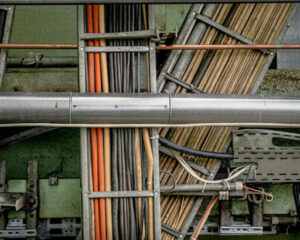
Proper cable management isn’t just about looks; it forms the bedrock of a safe working environment. And you can’t simply leave it up to your staff to manage the cables around their workspace; you need to take a proactive approach and ensure that all cables are arranged neatly and within whatever specification is required by the jurisdiction you operate in.
Cable management is about far more than simply keeping things neat. Some wires will draw more power than others and thus need more space for heat to dissipate. Conversely, smaller wires might not draw the same amount of power, but are easily tangled or damaged and still carry enough energy to seriously harm anyone who accidentally touches exposed wire.
Workplace safety ought to be at the top of all managers’ minds, as well as how to ensure that operations can remain running even when the power goes down. By following these tips and maintaining a consistent safety audit schedule, you can easily achieve a workplace that is safe, legal, and able to operate no matter what occurs.