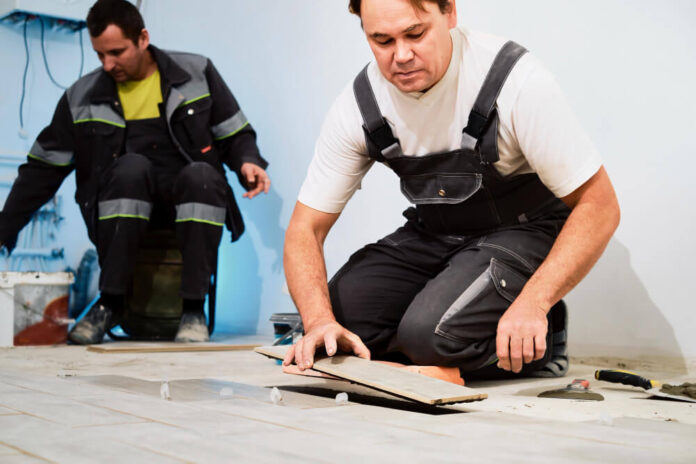

In construction and commercial flooring projects, achieving a level and accurate surface is far more important than many people realise. Uneven floors can lead to installation problems, safety risks, and long-term structural issues that become costly to fix later. This is why professional floor testing and surveying have become a critical part of modern building standards.
A professional Floor Flatness Survey helps ensure that flooring surfaces meet required tolerances before final finishes, equipment installations, or operational use begin. From warehouses and industrial facilities to retail spaces and offices, accurate floor assessments play a key role in both safety and performance.
What Is Floor Flatness Testing?
Floor flatness testing measures how even and level a floor surface is across a defined area. Specialists use precise equipment and recognised industry standards to identify variations in the floor profile.
These surveys are commonly used in:
- Warehouses
- Distribution centres
- Commercial buildings
- Manufacturing facilities
- Retail spaces
- Residential developments
The results help contractors and property owners determine whether a floor meets the required specification for its intended use.
Why Floor Flatness Matters
An uneven floor may appear minor at first, but it can create serious problems over time.
Installation Issues
Floor coverings such as vinyl, tiles, timber, and resin systems often require a smooth and level base. Poor flatness can lead to:
- Uneven finishes
- Gaps or lifting
- Premature wear
- Adhesion problems
Correct testing helps identify issues before final flooring is installed.
Operational Performance
In industrial and warehouse environments, floor flatness directly affects equipment performance. Forklifts, racking systems, and automated machinery all rely on accurate floor tolerances for safe operation.
Health and Safety
Uneven flooring can increase the risk of:
- Trips and falls
- Vehicle instability
- Equipment damage
- Workplace accidents
Regular testing helps reduce these risks and supports compliance with safety standards.
How a Floor Flatness Survey Is Conducted
Professional surveys use specialist tools and measurement techniques to assess floor conditions accurately.
Laser and Digital Equipment
Modern surveying methods often involve:
- Laser levelling systems
- Digital floor profilers
- Precision measuring instruments
These technologies provide highly accurate readings across large floor areas.
Industry Standards
Floor surveys are typically carried out in accordance with recognised standards to ensure consistency and reliability. The final report usually highlights:
- Flatness deviations
- Level differences
- Areas requiring correction
- Compliance status
This information allows contractors to make informed decisions before continuing with installation work.
Industries That Benefit From Floor Flatness Surveys
Many industries rely on accurate flooring conditions for efficiency and safety.
Warehousing and Logistics
Large warehouses require level floors to support forklifts, pallet systems, and automated equipment.
Manufacturing Facilities
Machinery performance and production efficiency can be affected by uneven surfaces.
Retail and Commercial Spaces
Smooth, level floors improve both appearance and customer safety.
Residential Developments
Accurate flooring preparation helps ensure higher-quality finishes and reduces future maintenance issues.
The Long-Term Benefits of Professional Testing
Investing in professional floor surveying can save significant time and money over the lifespan of a building.
Benefits include:
- Reduced installation failures
- Improved flooring lifespan
- Better operational safety
- Lower repair costs
- Greater compliance with industry standards
Addressing problems early is far more cost-effective than repairing flooring defects after project completion.
Frequently Asked Questions
What is the purpose of a floor flatness survey?
A floor flatness survey measures how level and even a floor surface is to ensure it meets required standards and specifications.
Why is floor flatness important in warehouses?
Uneven floors can affect forklift performance, racking stability, and workplace safety in warehouse environments.
Can floor flatness affect flooring installation?
Yes. Poor floor flatness can lead to uneven finishes, flooring failure, and long-term maintenance problems.
What equipment is used during floor testing?
Professional surveys often use laser systems, digital profilers, and precision measuring tools for accurate results.
When should a floor flatness survey be carried out?
Surveys are typically completed before final flooring installation or before operational use of a facility begins.
Conclusion
Floor flatness testing is an essential part of modern construction and flooring projects. Accurate surveys help identify issues early, improve installation quality, and support long-term safety and performance across commercial, industrial, and residential environments. Whether managing a warehouse, retail space, or large-scale development, professional floor testing provides valuable insights that help protect both investment and operational efficiency.