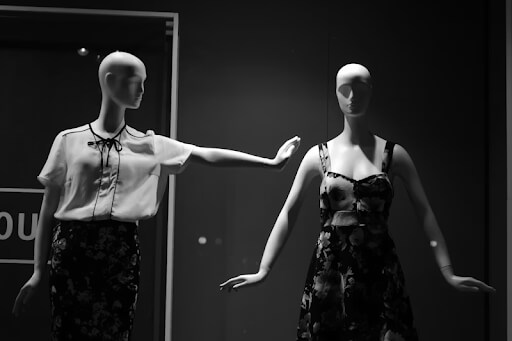

Every small brand reaches a point where flat lays and ghost mannequins are no longer enough. To sell clothes, you need people wearing them. This is the moment when the budget usually takes a hit. Hiring a team for a photoshoot is a massive logistical and financial hurdle. Recently, tech has offered a different way forward through AI fashion photos. It is no longer just a futuristic concept. Small labels are actively weighing the cost of a traditional camera crew against the efficiency of AI models for fashion. Deciding between these two paths requires a cold look at the numbers. While human models bring a certain soul to a brand, the price of that soul is often higher than a startup can afford. This comparison isn’t about which technology is “cooler.” It is about which method keeps your business profitable while keeping your website looking professional.
Why Model Photography Costs Matter for Small Fashion Brands
For a small clothing brand, cash is oxygen. Every dollar spent on a photoshoot is a dollar taken away from fabric sourcing or digital marketing. Product visuals are not a one-time expense. If you drop new items every month, you need fresh images every month. Statistics show that high-quality imagery can increase conversion rates by up to 30%, but getting those images is expensive. Most small brands struggle with the “content treadmill.” You need photos for your Shopify store, Instagram, TikTok, and Facebook ads.
If you have ten new t-shirt designs, a traditional shoot could easily swallow your entire profit margin for that batch. Consistency is another issue. If you hire a different photographer or model every time, your website starts to look like a patchwork quilt rather than a cohesive brand. This is why many founders are looking for a more predictable cost structure. They need a way to produce high-volume content without the high-volume price tag that usually follows it.
What Human Model Photoshoots Really Cost
A traditional photoshoot is a production. It is a gathering of specialized professionals who all expect a day rate. You aren’t just paying for the person in front of the lens. You are paying for the person behind it, the person fixing the hair, and the person who owns the space. Industry data suggests that a basic professional photoshoot for a small brand can cost anywhere from $2,000 to $5,000 per day. This usually results in about 20 to 30 finished images. When you do the math, you are paying over $100 per photo.
Direct Costs Small Brands Usually Budget For
When you sit down to plan a budget, the big numbers are obvious. A professional photographer’s day rate often starts at $800. A model for a commercial shoot might charge $500 to $1,500 depending on their agency and the usage rights. Then there is the studio rental, which can run $300 to $600 for a few hours. Finally, you have professional retouching. By the time you add up the model, the pro, the room, and the edits, you have spent thousands before selling a single shirt.
Hidden Costs That Increase the Final Shoot Budget
The line items on a quote never tell the whole story. There are “soft” costs that drain your time and money, such as hours spent scouting models or coordinating with agencies. Think about the cost of steaming clothes, providing catering for the crew, or paying for travel and shipping. If the lighting is off and you need a reshoot, the budget doubles instantly. There are also usage rights; many model contracts require extra fees for long-term use. This is where AI photoshoot fashion starts to look like a logical exit from the chaos.
How AI models for fashion Change the Cost Structure
Switching to software-based imagery flips the script on how you spend money. Instead of paying for a “day of production,” you are paying for access to a tool. The financial model moves from a high-stakes event to a monthly operational expense. This is much easier for a small brand to manage. You might pay a few hundred dollars for a high-end platform rather than a few thousand for a single day at a studio. The labor also shifts. You don’t need a crew of five; you need one person who understands your brand’s aesthetic to manage the output.
Lower Per-Image Cost and Faster Scaling
The real magic happens when you look at the cost per image. If a subscription costs $100 a month and you generate hundreds of high-quality AI generated fashion models, your cost per image drops to cents. This allows small brands to show every product in every color on a model, rather than just using a color swatch. Scalability is another huge win. If you want to expand to a new market, you can use an AI fashion model generator to create models that reflect the local demographic instantly.
Costs That Still Remain with AI Imagery
It is a mistake to think AI is a “set it and forget it” solution. You still need a human eye for quality control. Sometimes the AI creates an unnatural hand position or gets a fabric texture slightly wrong. This means someone has to review the images, which takes time. You might also need to learn how to create AI fashion models that look consistent across your entire site. This involves a learning curve and some trial and error, which counts as a labor cost.
AI vs Human Models: Cost Comparison by Use Case
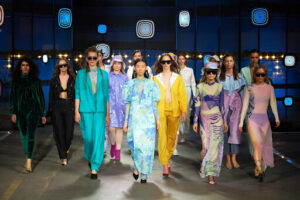
Different situations call for different tools. If you are launching a flagship collection that defines your brand’s identity, a human shoot might be worth the investment. The emotional nuances and spontaneous poses of a human can create a “hero” image that AI sometimes struggles to replicate. For a high-end lookbook, the $5,000 spend might actually pay off in brand equity. Humans are great for storytelling and high-concept creative work.
On the other hand, for “bread and butter” content, AI models fashion is the clear winner. This includes:
- Product detail pages for basic items like hoodies or leggings.
- Social media ads where you need to test ten different variations to see what works.
- Marketplace listings for sites like Amazon or eBay.
- Testing a new product idea before you even manufacture it.
- Creating diverse imagery to show how a dress looks on different body types.
- Quickly updating your website for a seasonal sale or holiday theme.
- Generating lifestyle images for blog posts or newsletters.
For these high-volume, low-margin tasks, a human shoot is often financial suicide for a small brand.
Quality, Trust, and Brand Value Beyond the Price Tag
Cost is a huge factor, but it isn’t everything. Customers need to trust what they see. If your AI fashion models look “uncanny” or fake, people will assume your clothes are low-quality too. Research suggests that 70% of shoppers are concerned about the authenticity of AI-generated content. You have to be careful. The goal is to use an AI fashion models generator that produces photorealistic results that don’t distract from the product.
Human models provide a sense of reality and fit that is hard to fake. They show how fabric moves, how it wrinkles at the elbow, and how it drapes over a shoulder. For premium brands, this “realness” is part of the value proposition. However, AI is catching up fast. Modern tools can now replicate fabric physics with surprising accuracy. The choice often comes down to your brand’s DNA. If you are a “tech-forward” streetwear brand, AI fits perfectly. If you are a “hand-crafted” luxury label, your customers might expect the human touch.
When Small Brands Should Choose AI, Human Models, or a Hybrid Setup
Most successful small brands are now moving toward a hybrid model. This gives you the best of both worlds. You save money where it counts and spend it where it matters. You might hire a human model once every six months for a big “campaign” shoot. These images become the face of your brand on your homepage. This strategy keeps your bank account healthy while maintaining a high level of brand integrity across all channels.
How to Calculate the Better Option for Your Brand
To decide, do your own math. Take the total cost of your last photoshoot and divide it by the number of images you actually used. That gives you the real “cost per image.” Then compare it with the monthly cost of an AI tool and estimate how many usable images you could create in five hours. In many cases, the AI option can be much cheaper. For most small brands, the data points toward tech. Using AI models for fashion is no longer just a shortcut; it is becoming a practical way to stay competitive.