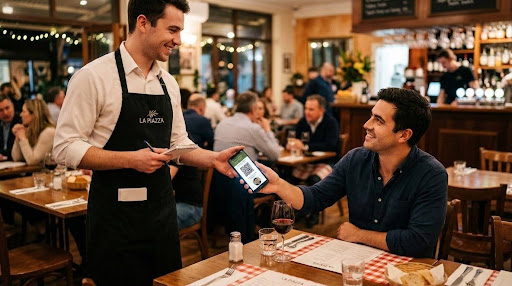

QR menus arrived in many restaurants as an emergency fix. They stayed because they solved problems that existed long before contactless dining became a priority.
Restaurants change faster than printed menus do. Ingredients run out. Prices move. Specials appear halfway through prep. A supplier misses a delivery. A wine by the glass changes because the last bottle sold during lunch. In that environment, a printed menu can become inaccurate before the first dinner booking arrives.
A QR code gives operators a more flexible layer. It does not have to replace hospitality, and it should not make a restaurant feel cold. Used well, it simply removes friction from the parts of service that were already awkward, expensive, or slow.
Restaurants that need a simple way to create and update scannable links can use a tool like QRStuff’s QR code generator for menus, payment links, feedback forms, and staff resources.
Menus That Match the Kitchen
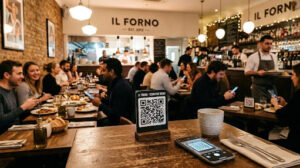
The most obvious use is still the most useful: a live menu. A code on the table can send diners to the latest dishes, prices, allergens, tasting notes, and availability.
This matters most in restaurants where the menu changes often. Seafood restaurants can update based on the morning catch. Wine bars can remove bottles as they sell out. Cafes can swap seasonal specials without throwing away stacks of paper.
The guest benefit is accuracy. The operator benefit is control. There is less disappointment when a diner asks for an unavailable dish, and less waste from reprinting menus after every change.
Payments Without the Long Goodbye
The end of a meal can be the weakest part of service. Diners are ready to leave, servers are busy, and the card machine is somewhere else. Pay-at-table QR codes reduce that wait.
Guests scan, review the bill, add a tip, and pay from their phone. Servers still need to be present and attentive, but they no longer have to manage every payment manually. For casual and high-volume venues, that can improve table turnover without making guests feel rushed.
The best implementations keep choice intact. Some diners prefer a traditional bill and card terminal. Others are grateful to settle up immediately. Offering both creates flexibility without forcing a single behavior.
Better Information for Allergens and Dietary Needs
Allergen information is too important to hide in a binder behind the bar. QR codes can make it easier to access, update, and verify.
A table code can link to allergen details. A kitchen code can link staff to the latest prep notes. A menu item can link to ingredient information or preparation warnings. This does not remove the need for trained staff, but it gives everyone a more reliable reference point.
Restaurants should be careful here. Allergen pages need clear ownership, regular review, and timestamps where appropriate. A QR code is useful only if the information behind it is correct.
Loyalty That Does Not Depend on a Forgotten Card
Physical punch cards often disappear into wallets, drawers, and washing machines. Digital loyalty flows built around QR codes are easier to maintain.
A diner scans after payment or from a receipt. They join the loyalty program, collect points, receive a birthday offer, or get early access to a special event. The restaurant builds a direct relationship with regulars instead of relying only on marketplace platforms or delivery apps.
For independents, that customer list can be valuable. A quiet Tuesday can be helped by a targeted message to people who already like the restaurant. A seasonal menu can be announced to past diners. A private tasting can be offered to loyal guests before it goes public.
Operations Behind the Scenes
Some of the strongest restaurant QR use cases never touch the dining room.
Codes in staff areas can link to training videos, opening checklists, cleaning logs, equipment manuals, or incident forms. A code near the walk-in fridge can open the temperature log. A code beside the coffee machine can show the cleaning process for new staff. A code in the office can link to the latest rota.
These small operational shortcuts reduce the number of questions managers answer repeatedly. They also help maintain consistency when staff turnover is high.
Make the Experience Feel Hospitable
QR codes fail when restaurants treat them as a way to disappear from the table. A code should support service, not replace it.
Good execution means large, clean codes; clear labels; fast mobile pages; and staff who can explain the option without sounding apologetic. The page should load quickly, reflect the restaurant’s visual style, and avoid forcing diners through unnecessary pop-ups before they can see the menu.
The best restaurant technology is almost invisible. Guests should remember the meal, the room, and the people who looked after them. QR codes earn their place when they make those things smoother.