

For many people, finding the right self-storage option is a balance between convenience, affordability, and security. The Self Storage Association reports that the United States has upwards of 50,000 storage facilities, underscoring the importance of this service for both personal and business storage needs. While determining the best storage solution can be daunting, understanding specific requirements and available options goes a long way in simplifying the process.
Whether downsizing, moving, or simply decluttering, searching for “storage units near me” can provide the added space needed to maintain an organized and stress-free environment. Below, we delve into the critical aspects of selecting the ideal storage solution, from assessing your specific needs to maximizing unit organization and cost-efficiency.
Assessing Your Self-Storage Needs: Space, Accessibility, and Security
Understanding your storage needs begins with estimating the amount of space necessary to house your items. Storage units come in various sizes, usually ranging from 5×5 feet to 10×30 feet or larger, which could accommodate anything from a closet’s worth of items to the contents of a five-bedroom house.
Accessibility is another significant factor. Consider how often you’ll need to retrieve items from your storage. Facilities typically offer various access levels, from 24-hour access to more restricted hours. Additionally, the security provided by the facility should be a top consideration, ensuring that features such as surveillance cameras, gated access, and on-site management are available.
When scouting for a storage unit, factor in location, ease of access, and security features. For instance, a unit on the ground floor may be more expensive but provides greater convenience if you frequently move bulky items, whereas a unit on an upper floor may suffice for long-term storage of items you won’t need regular access to.
Evaluating Different Types of Self-Storage Facilities
Navigating the variety of storage facilities available is key to finding the right fit. You’ll encounter traditional self-storage units, climate-controlled options, and facilities offering specialized storage for items like RVs, boats, or wine collections.
Climate-controlled units maintain a stable temperature and humidity level, protecting delicate items from extreme temperature fluctuations and moisture, which can be critical depending on what you’re storing. For example, antiques, musical instruments, or electronics would benefit from such an environment. Conversely, general household items like seasonal décor or non-sensitive personal belongings might not require the added expense of climate control.
Consider the value of your items, susceptibility to weather conditions, and whether the additional cost aligns with your budget. Some facilities might also offer discounts or promotional rates, so it’s worth investigating current deals and comparing the long-term costs associated with each type of storage.
Strategies for Efficiently Organizing Your Storage Unit
Maximizing the utility of your storage space is both an art and a science. Begin with planning how to organize items within the unit, keeping frequently used items near the door and mapping out the placement of larger, heavier items so that they don’t obstruct access to everything else.
Stackable storage bins can be a game-changer in keeping items accessible and organized, while labeling each box or container ensures you can locate things quickly without the need to unpack everything. Additionally, disassembling furniture and using shelving units can significantly increase usable space and facilitate a tidy arrangement.
Before moving items into the storage unit, sketch a floor plan detailing where each item will go. This strategy prevents aimless stacking and makes the most of vertical space, which often goes underutilized. Consider leaving a small aisle through the center of the unit for easy navigation and retrieval of possessions as needed.
Tips for Selecting a Cost-Effective Self-Storage Solution
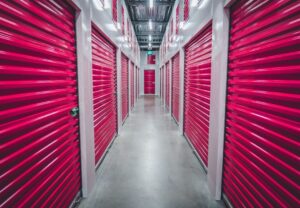
Finding the right storage solution requires balancing the features you need with your budget. Generally, the price of a storage unit will be influenced by size, location, access hours, and specialty services like climate control or advanced security.
Investigating the fluctuating prices of storage units in your area can lead to significant savings. For example, storage units in urban areas might be more expensive than those in the suburbs. Additionally, some facilities offer the first month free or discounts for long-term contracts, which could make a typically pricier unit more affordable over time.
Ultimately, the search for the perfect self-storage solution is about balancing necessity, convenience, and cost. By carefully assessing your storage needs, evaluating the types of facilities available, employing proven organizational strategies, and staying mindful of budgetary constraints, you can select a storage option that provides peace of mind and the space you require. With these tips in hand, you’re ready to make an informed decision that aligns with your personal or business objectives.