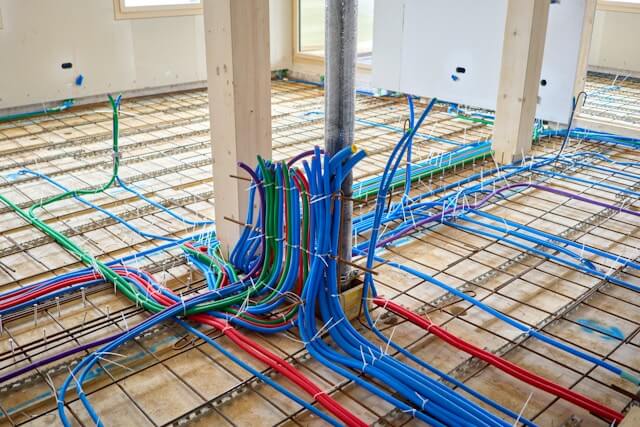

In today’s rapidly advancing technological landscape, the architecture of buildings is evolving beyond traditional designs. The rise of smart buildings structures equipped with advanced systems that automate processes for efficiency, comfort, and security has reshaped the way buildings are constructed and managed.
Central to this transformation is the development and implementation of structured cabling systems, which provide the backbone for all network communications within a smart building. This article explores the importance of structured cabling in smart buildings, its components, benefits, and the role of companies like Infassure in ensuring reliable and future-proof installations.
The Role of Structured Cabling in Smart Buildings
Structured cabling is the standardized approach to cabling and network infrastructure in commercial buildings. It supports various systems, including data transmission, voice communication, video surveillance, and other building automation systems. In the context of a smart building, structured cabling is essential for connecting diverse systems—ranging from HVAC (heating, ventilation, and air conditioning) controls to security systems, lighting, and energy management technologies.
One of the primary advantages of using structured cabling is its scalability and flexibility. As a building’s requirements evolve over time, the structured cabling system can adapt to accommodate new technologies and devices. Whether it’s expanding the network to support more IoT devices, upgrading security systems, or integrating new communication technologies, structured cabling provides the necessary foundation for future enhancements.
Components of Structured Cabling
A structured cabling system typically consists of several key components that work together to ensure seamless data transmission and effective communication. These components include:
- Cabling – The physical cables, such as twisted pair cables (Cat 5e, Cat 6, Cat 6A, Cat 7) or fiber optic cables, are the core elements of any structured cabling system. These cables carry the signals and data between various devices and systems in the building.
- Patch Panels – These panels provide a centralized location where the various network cables connect. Patch panels facilitate easier troubleshooting and organization of connections within the building.
- Racks and Cabinets – Racks or cabinets house the patch panels, servers, and network switches. They help in organizing and securing the cabling, making maintenance and upgrades simpler.
- Cable Management – Cable management solutions, such as cable trays, conduits, and cable ties, ensure that the cabling is neatly organized, preventing tangling or damage, which can cause network disruptions.
- Connectors and Jacks – These components allow for the physical connection of network cables to devices or network points within the building.
- Horizontal and Backbone Cabling – Horizontal cabling connects the network outlets to the telecommunications room, while backbone cabling links the telecommunications room to other areas of the building.
In a smart building, structured cabling systems often integrate with a variety of technologies, including wireless networks, access control systems, smart lighting, and energy management tools, all of which require robust and reliable network connectivity.
The Role of Infassure in Structured Cabling for Smart Buildings
Infassure is a prominent player in the structured cabling industry, with a reputation for providing reliable, future-proof solutions for smart buildings. With years of experience in designing and implementing network infrastructures, Infassure understands the specific demands of modern buildings, particularly in the realm of building automation and IoT integration.
Their approach to structured cabling goes beyond simple installation. Infassure provides a comprehensive analysis of the building’s current and future needs, designing customized cabling solutions that cater to the specific demands of each smart building project. This strategic planning ensures that the cabling infrastructure will support all existing and future technologies, guaranteeing minimal disruptions and maximum efficiency.
Key Benefits of Structured Cabling in Smart Buildings
The implementation of structured cabling in smart buildings provides a wide range of benefits. These advantages not only support the building’s technological requirements but also contribute to long-term cost savings and operational efficiency.
1. Future-Proofing Infrastructure
One of the most significant benefits of structured cabling is that it ensures future-proofing for smart buildings. As new technologies and systems continue to emerge, the cabling system can accommodate them without requiring a complete overhaul. With the integration of fiber optics, for instance, the network can handle increasingly higher data speeds and larger volumes of traffic. This adaptability is crucial for smart buildings, where constant technological advancements are commonplace.
In the context of the digital transformation in smart buildings, having a flexible cabling infrastructure that can support the growing number of devices connected to the network is indispensable. A company like Infassure, with experience in implementing structured cabling systems for smart buildings, can ensure that the cabling solution meets both current and future needs.
2. Reduced Downtime and Improved Reliability
A well-designed structured cabling system can significantly reduce network downtime, which is essential for a smart building’s operational success. Network disruptions can affect everything from security systems to environmental controls, and minimizing these interruptions is crucial. The organized and centralized approach of structured cabling simplifies troubleshooting and maintenance, ensuring quicker identification and resolution of any issues.
With a robust structured cabling system, smart building owners can also expect greater network reliability. Well-organized cables, professional installation, and proper management reduce the chances of damage or wear and tear, which can lead to failures in critical systems. Infassure’s focus on high-quality installations ensures that network stability and reliability are maintained over the long term.
3. Cost-Efficiency in the Long Term
While the initial investment in structured cabling can be higher compared to traditional point-to-point cabling systems, the long-term savings are substantial. The centralization of network infrastructure reduces the need for frequent repairs, updates, and expansions. Moreover, a properly designed cabling system can support the building’s entire range of applications, from voice and data communication to security and automation systems, eliminating the need for separate cabling for each system.
This holistic approach ensures that businesses and building owners can optimize their budgets while ensuring that their building’s technology needs are met in the most cost-efficient manner. Moreover, as building technologies evolve, having a future-proof cabling system reduces the need for costly reconfigurations.
4. Enhanced Scalability and Flexibility
Scalability is a key feature of structured cabling that makes it ideal for smart buildings. As businesses or organizations expand, new systems can be added without the need for a full-scale infrastructure redesign. Whether it is incorporating more IoT devices, adding advanced security features, or expanding network bandwidth, structured cabling offers the flexibility to grow with the building’s evolving needs.
Structured cabling systems are modular, meaning additional cables, devices, and systems can be integrated easily. This scalability is especially important in smart buildings, where the number of connected devices and systems is constantly increasing. A company like Infassure, specializing in network infrastructure, ensures that these systems are designed to scale efficiently, supporting both short-term goals and long-term plans.
Conclusion
Structured cabling is an indispensable element in the design and construction of smart buildings. As technology continues to advance, smart buildings are becoming more connected, automated, and energy-efficient. The success of these buildings largely depends on having a robust and adaptable cabling system that can support a wide range of applications and technologies.
The integration of structured cabling provides significant benefits, including future-proofing, reduced downtime, cost savings, and enhanced scalability. It enables the seamless communication of various systems within the building, from security to HVAC to lighting. Companies like Infassure play a critical role in ensuring that these systems are installed properly and maintained over time, providing reliable infrastructure for the building’s technological needs.
As the demand for smart buildings continues to grow, the importance of well-planned structured cabling systems will only increase. With the right design and implementation, structured cabling can ensure that smart buildings remain efficient, secure, and ready for the future.