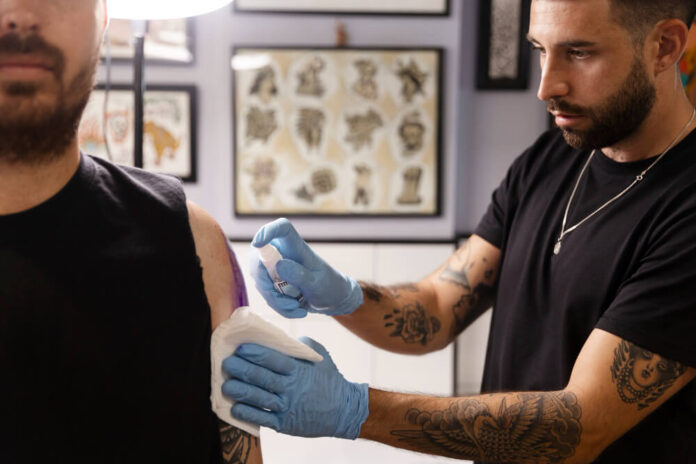

Getting a tattoo removed is a significant decision that requires careful consideration and understanding of what lies ahead. Whether you’re dealing with a tattoo that no longer fits your lifestyle, a design you’ve outgrown, or simply want a clean canvas for new body art, knowing what to expect from the removal process can help you make an informed choice. Modern technology has made tattoo removal more effective and accessible than ever before, but it’s still a commitment that involves time, patience, and proper aftercare.
Understanding the Laser Removal Process
Laser tattoo removal works by targeting the ink particles beneath your skin with concentrated light energy. The laser breaks down these ink particles into smaller fragments that your body’s immune system can gradually eliminate. Different wavelengths of light are used depending on the colors in your tattoo, as certain wavelengths are more effective at breaking down specific pigments.
The process itself is relatively quick, with most sessions lasting between 15 and 30 minutes depending on the size of your tattoo. During treatment, you’ll likely feel sensations similar to having a rubber band snapped against your skin repeatedly. Most clinics offer numbing options to make the experience more comfortable, including topical creams or cooling devices that minimize discomfort.
How Many Sessions Will You Need?
One of the most common questions people have is how many sessions they’ll need to completely remove their tattoo. The answer varies significantly based on several factors, including the size of the tattoo, the colors used, the depth of the ink, and how old the tattoo is.
Most people require between six and twelve sessions for complete removal, though some tattoos may need more or fewer treatments. Amateur tattoos with less ink density often fade faster than professional ones. Black ink is typically the easiest to remove, while colors like green, yellow, and light blue can be more stubborn and require additional sessions.
Finding the Right Provider
Choosing a qualified provider is crucial for achieving the best results and minimizing potential complications. When searching for professional laser tattoo removal Surrey residents should look for clinics with certified technicians who have extensive experience with various skin types and tattoo styles. A reputable provider will conduct a thorough consultation, assess your tattoo, discuss realistic expectations, and create a customized treatment plan.
Don’t hesitate to ask about the type of laser technology being used, as newer systems tend to be more effective and cause less damage to surrounding skin. You should also inquire about the provider’s safety protocols and their experience handling any complications that might arise during treatment.
What to Expect During Recovery
After each laser session, your skin will need time to heal before the next treatment. Most providers recommend waiting six to eight weeks between sessions to allow your body to flush out the broken-down ink particles and for your skin to fully recover.
Immediately following treatment, you can expect some redness, swelling, and tenderness in the treated area, similar to a mild sunburn. Some people also experience blistering or scabbing, which is a normal part of the healing process. Proper aftercare is essential during this time, including keeping the area clean, applying recommended ointments, and protecting it from sun exposure.
The Cost Factor
Tattoo removal is an investment, and costs can vary widely depending on the size and complexity of your tattoo. Smaller tattoos might cost a few hundred dollars per session, while larger pieces can run into thousands of dollars over the complete treatment course.
Many clinics offer package deals that can reduce the overall cost when you commit to multiple sessions upfront. While price is certainly a consideration, it shouldn’t be your only deciding factor. Choosing a less expensive but inexperienced provider could result in poor outcomes or complications that end up costing more in the long run.
Preparing for Success
Setting realistic expectations is key to satisfaction with your tattoo removal journey. Complete removal isn’t always possible, and some tattoos may leave behind faint shadows or slight discoloration. However, most people achieve results they’re happy with, especially when working with experienced professionals who use advanced technology.
Conclusion
Removing a tattoo is a process that requires patience, commitment, and proper care, but modern laser technology has made it more effective than ever. By understanding what to expect, choosing a qualified provider, and following aftercare instructions carefully, you can successfully fade or eliminate unwanted tattoos.
Take time to research your options, ask questions during consultations, and remember that the journey to clear skin is a marathon, not a sprint. With the right approach and realistic expectations, you can achieve the results you’re looking for.