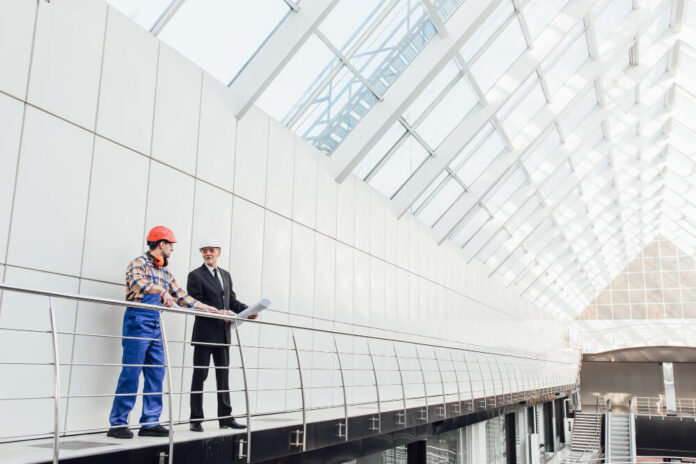

A pre-engineered steel building offers a practical and efficient solution for industrial projects. It arrives with components fabricated in controlled environments, which speeds up the assembly process and ensures accuracy. These structures provide durability, design flexibility, and cost efficiency, making them a smart choice for various industrial operations.
When selecting industrial steel buildings, attention to detail helps achieve long-term reliability and value. The right choice ensures stability, safety, and minimal upkeep. A well-built structure supports productivity and remains dependable for decades.
Structural Design And Load-Bearing Capacity
A strong design defines the performance and safety of a steel structure. Frames must withstand heavy machinery, high winds, and snow loads without distortion. Proper alignment of columns and beams distributes pressure evenly, creating a stable and balanced foundation. This prevents structural stress and keeps the building steady over time.
Each project should comply with local construction codes and engineering standards. Certified designs confirm that the structure can manage the intended loads safely. A solid foundation and tested framework reduce maintenance costs and extend service life.
Roofing System And Weather Protection
The roofing system plays a major role in the longevity of a steel structure. High-quality roof panels protect the interior from rain, dust, and sunlight. A well-sealed roof prevents leaks and helps maintain consistent interior conditions. Proper drainage systems also keep water from collecting, which protects the structure from corrosion.
Choosing materials with heat-reflective coatings increases energy efficiency. A durable roof resists wear from temperature changes and requires less maintenance. The right roofing design ensures protection, strength, and comfort throughout the year.
Key Elements To Consider
- Type of roof panel and coating
- Proper insulation under the roof
- Efficient drainage design
- Corrosion-resistant fasteners
Ventilation And Natural Lighting
Adequate ventilation supports a safe and comfortable working atmosphere. Louvers, ridge vents, or mechanical exhaust systems help maintain airflow and control indoor temperature. These systems reduce humidity and remove pollutants that could affect stored materials or equipment.
Natural lighting reduces electricity use and creates a bright, productive environment. Skylights and translucent wall panels allow daylight to enter without raising internal heat levels. Balanced ventilation and lighting systems improve workplace safety and energy performance.
Interior Layout And Space Optimization
A practical layout maximizes usable space and supports smooth operations. Wide spans without interior columns provide open areas for machinery or storage. Clear floor space simplifies movement and organization. Flexible layouts also allow changes in production lines or storage plans when necessary.
Efficient space planning supports easy access for maintenance and workflow management. Structural elements should not obstruct critical areas. A well-thought-out layout saves time, increases efficiency, and keeps the facility organized.
Safety Features And Fire Protection
Fire-resistant materials reduce damage risk and meet regulatory standards. Clear emergency exits, safety signage, and accessible pathways promote quick response in case of an incident. Proper safety design prevents hazards and ensures compliance with industrial requirements.
Installing smoke detectors, fire alarms, and sprinkler systems enhances protection. Non-slip flooring and secure mezzanine railings reduce accidents. Prioritizing safety features builds confidence and supports a secure, well-managed workplace.
Essential Safety Inclusions
- Fire-resistant wall panels and roof sheets
- Automatic fire suppression systems
- Clearly marked emergency exits
- Adequate ventilation for smoke control
While choosing a pre-engineered structure, individuals need to focus on strength, design, roofing, ventilation, and safety. The durability and efficiency of industrial steel buildings make them ideal for modern industrial operations. Attention to these essential features ensures a facility that remains strong, functional, and cost-effective for many years.