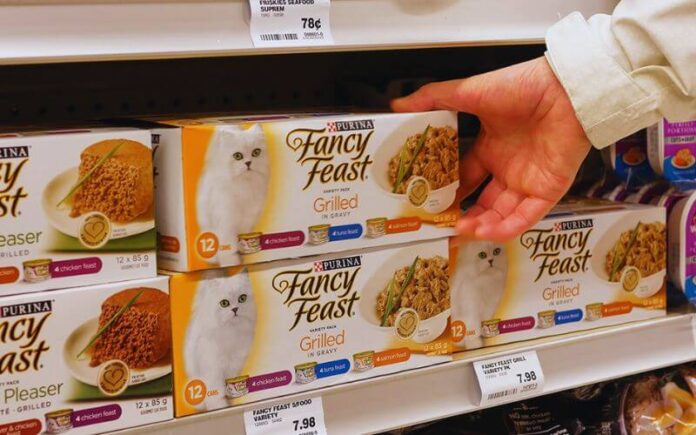

Walk into a pet store these days, and the empty spaces on the cat food shelf tell the story. Fancy Feast, a brand lots of cat owners trust, isn’t always easy to find. The shortage has now dragged on for a few years, which has led to plenty of frustrated shoppers and some pretty worried cats.
It’s not just Fancy Feast, either. Several other big canned cat food brands have been spotty or sold out, too. If your cat is picky like mine, you already know the struggle. Most people just want to know: what’s really causing all these shortages, and when will things get back to normal?
Let’s break down what’s behind the ongoing shortage, starting back in 2020.
How the Pandemic Kicked Off the Problem
To understand why shelves are often bare, you have to look back to early 2020. When the pandemic hit, it disrupted just about every global supply chain, and pet food was no exception. Workers got sick, factories had to reduce shifts, and a lot of transportation ground to a halt.
So, when giant pet food companies like Nestlé Purina (they make Fancy Feast) tried to keep up production, they kept running into delays. Sometimes, it was because not enough people could work on the line. Other times, truck drivers or shipping crews weren’t available, which meant products just piled up at ports.
Even when factories managed to run, just one missing ingredient or piece of packaging like a can could bring the whole process to a standstill.
The Can Crisis: Packaging Shortages Add Up
Around the same time, another headache appeared. Suddenly, there was a real shortage of the aluminum and tinplate steel used for making cans. These metals aren’t just for cat food they’re also critical for soda, soup, and pretty much anything canned.
A huge part of the problem comes down to basic supply and demand. During lockdown, more people ate and shopped from home, driving up can usage everywhere. Manufacturers and metal suppliers just couldn’t keep pace.
On top of that, some countries added tariffs (basically extra taxes) on imported steel, especially from top suppliers like China and several European nations. So, the cost to produce each can went up, and supplies could dry up overnight if trade disputes flared.
If you noticed that your store had fewer flavors or smaller stock of canned foods, those metal shortages were a big reason. There’ve even been stories of companies choosing to shift certain pet food recipes into pouches instead of cans, just to keep products available at all.
Why Demand for Cat Food Skyrocketed
At the same time supply was getting squeezed, demand for premium cat food started rising for reasons you might not expect.
For one, the pandemic led to an explosion in pet adoptions. Animal rescues and shelters in the U.S., Canada, and UK saw record numbers of cats and dogs finding new homes. Suddenly, there were millions more pets needing to be fed sometimes for the first time.
But that wasn’t all. Lots of people started working from home, which meant more time spent with their animals. Maybe you spoiled your own cat a bit more, picking up some of the “gourmet” canned foods like Fancy Feast. Turns out, lots of people had the same idea. That trend is often called “pet pampering,” and it’s pushed up demand for fancy and specialty pet foods far beyond what companies were expecting.
Put simply, more mouths to feed and more spoiled cats meant shelves emptied fast the supply just couldn’t keep up.
How World Events Complicated Supply Even More
Things didn’t stop being complicated after the worst of the pandemic. In fact, some new challenges piled on to the existing ones.
In recent years, trade tensions have disrupted where companies get their raw materials and ingredients. The U.S. and China, as well as the European Union, have traded tariffs on all sorts of goods including the steel and aluminum used in pet food cans. Every extra hurdle slows down manufacturing and can raise costs. So, even when materials are technically available, they might just be too expensive or hard to source quickly.
Then came new problems, including the war in Ukraine. Ukraine isn’t a major supplier of cat food itself, but the conflict has jumbled global exports of grain and metals. Some packaging factories relied on raw materials (like tinplate or wheat for certain pet foods) that were no longer easy to ship. Suddenly, it’s a guessing game for manufacturers to even get ingredients where they’re needed.
All of that means Fancy Feast, already limited by production slowdowns and big demand, now faces extra pressure getting cans made and ingredients sourced.
What Shoppers and Retailers See Right Now
If you’ve tried to pick up a box of Fancy Feast lately, you probably know how inconsistent things can be. One week, your favorite store might have a few flavors. The next, the shelf is almost bare, or maybe only one or two flavors are available.
Retail store workers have shared stories about shipments getting cut by half or more. Some pet stores and big retail chains have even started to “ration” certain brands and varieties of cat food, letting shoppers buy only a few cans at a time. That way, more customers at least get something, but it’s still not enough to meet demand.
Online, the story isn’t much better. Websites will show canned foods in stock one moment, and sold out the next. Some sellers have even jacked up prices on the most popular items. For people with cats who have dietary restrictions or allergies, this has become a major challenge.
None of this is just about one brand. Along with Fancy Feast, other players like Friskies, Meow Mix, and Blue Buffalo have all run into the same supply-and-demand problem. It’s set off a sort of ripple effect, where shortages in one brand cause people to clean out the next-best option.
What Pet Food Companies Are Trying to Do
So, what are manufacturers doing? Fancy Feast’s parent company, Nestlé Purina, has released multiple statements acknowledging the ongoing challenges.
They point to labor shortages, trouble sourcing materials, and unpredictable demand. Their teams are trying to “prioritize production” of the top-selling flavors and formats. In other words, they’re making as many cans of the most popular varieties as possible, even if that means less variety for now.
Some companies have started to shift certain recipes into pouches or dry food packaging to get around the metallic can shortage. This isn’t an ideal solution for every recipe or for every picky cat, but it’s better than empty shelves.
Industry analysts don’t expect the situation to get fixed overnight. Many point out that cat food companies can only do so much if the entire supply chain metal, ingredients, shipping, and labor is still under pressure.
What Can Shoppers and Pet Owners Do?
First off, don’t panic buy. That’s just likely to make the shortages even worse. When you see the item in stock, buying a reasonable amount makes sense, but clearing out the whole shelf can cause problems for everyone.
Some cat owners are trying alternatives, like switching between different certified premium brands or choosing more dry food temporarily. If your cat is on a special diet, talk to your veterinarian before swapping brands or recipes.
Pet food experts recommend checking with smaller local stores (sometimes they get stock when big chains don’t) or asking your vet for recommended alternatives. Some animal shelters and food banks have also received extra donations to help, if you’re ever really in a pinch.
There’s also an upside: more people are paying attention to where their cat food comes from and what goes into it. Reading the label and knowing your options can help you feel more prepared for next time, too.
Looking Ahead: When Will the Shortage End?
The reality is, experts and industry sources aren’t making big promises about a quick return to normal. Supply chain disruptions and material shortages don’t disappear overnight, and manufacturing changes on this scale take time.
Nestlé Purina has signaled that they’re working “around the clock” to fix problems, but at the moment, there’s no firm end date for the shortage. Market watchers say it might be late 2024 or even further before things feel reliably back to normal, depending on how global trade and supply issues shake out.
For now, it’s smart to stay flexible, try new brands occasionally, and stay connected to updates from both stores and manufacturers.
Later on, you might notice pouches becoming more common or brands quietly tweaking their recipes for easier and faster production. Until regulations and trade get a bit smoother, though, expect some bumps in the road.
If you’re keeping an eye on pet food industry news, business sites like Daily Business View sometimes track these updates as they happen.
The bottom line is, the Fancy Feast shortage has turned into a long, frustrating problem with causes that go far beyond the pet food aisle. It’s not personal just a tangled mess of supply, demand, materials, and world events. Your cat might grumble for a while longer, but there’s hope the shelves will look better (eventually), possibly with a few new flavors to try along the way.
Also Read: