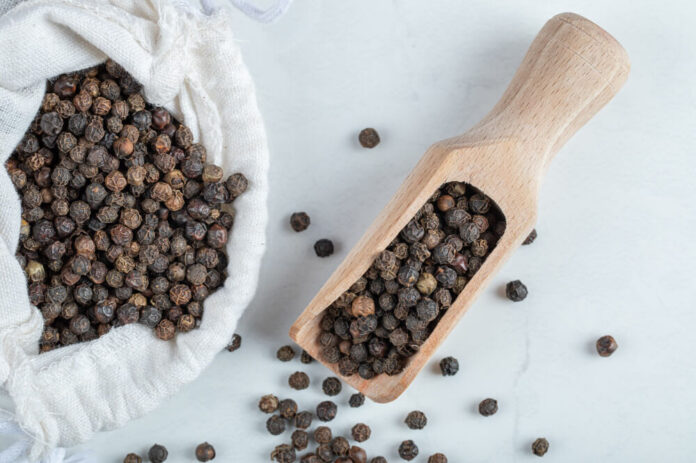

If your food feels a little less spicy this year, you’re not imagining things. In 2025, the world is dealing with a major black pepper shortage. Grocery shoppers, restaurant owners, and food makers are all feeling the squeeze as prices spike and store shelves look emptier than usual.
Let’s walk through what’s actually happening, why this time is different, and how this shortage could play out into next year.
What’s Behind the Black Pepper Shortage?
Most of the world’s black pepper comes from just a handful of countries—all across Asia and Latin America. So, when something rocks those supply chains, the ripple effects are immediate. This time, the story started about five years ago. Now, it’s hit a boiling point.
Vietnam’s Changing Crops
Vietnam is usually the king when it comes to growing black pepper. But things have changed fast. Since 2019, Vietnam’s output has dropped by about half. That’s huge, considering the country produces up to 40% of the world’s supply.
This year, it fell another 7%. Why? Partly, farmers just don’t think pepper is worth their effort anymore. Prices were low for several years, so many people switched to crops like coffee or fruit, hoping for better returns. Now, with the world desperate for pepper, the fields just aren’t there.
India Fights Unfriendly Weather
In India, pepper growers are having an even rougher year. A combination of unsteady rainfall and humid, wet spells has triggered more instances of fruit rot—a disease that ruins pepper berries on the vine.
As a result, India’s output dropped by nearly 16% this year alone. And because much of Indian pepper is used domestically and for export, shortages show up quickly when a bad harvest hits.
Things Slow Down in Indonesia
Farmers in Indonesia haven’t caught a break either. Unlike past years, 2025 brought weird weather patterns that messed with both growing and drying pepper. Harvests stretched out longer, and exporters are seeing slow arrivals, with lower overall yields.
Shipments are delayed, so even if pepper is ready, getting it where it needs to go is a real problem.
Brazil Tries, But Weather Wins
Brazil saw all this and doubled down, hoping to cash in. Growers there planted more, invested more, and waited for higher yields. But the weather just wouldn’t cooperate.
Irregular rainfall and unexpected dry stretches meant Brazil’s hopes of beefing up global supply didn’t really pan out. The numbers look better than some regions—but not enough to move the needle on their own.
Climate Change Hits Crops Hard
You hear about climate change in conversations about coffee, chocolate, or wine. Now, pepper farms are right in the line of fire. Global weather patterns are a mess. Too much rain soaked fields during key harvest months in Vietnam and India. Drought slammed Indonesia right when the crop needed steady moisture.
The 2025 harvest wound up running roughly two months behind in several places. That means exporters missed deadlines they’d counted on, and regular buyers got left hanging. Short harvests and late arrivals combined to leave almost every inventory pile looking embarrassingly low.
Logistics and Labor: Problems That Won’t Go Away
Even if you somehow grow a good crop, getting it from farm to factory is another story. Shipping costs are up. Container shortages drag on. Ports in Asia and Latin America reported major backlogs early in 2025, so pepper sometimes sat on docks for weeks.
Labor is a headache, too. In several countries, farms don’t have enough reliable workers, especially when the harvest arrives all at once. Factories that process or clean the pepper for export have faced high absentee rates, sometimes due to health issues and sometimes because the higher wages for other crops lured workers away.
All these small disruptions kept adding up. Each stage took longer, meaning prices kept rising as the pepper sat in warehouses instead of moving to buyers.
Demand Isn’t Slowing Down
Here’s the thing: no matter how much trouble producers face, people aren’t eating less pepper. In fact, demand is up in many places. Home cooks, restaurants, snack makers, even ready-made meal companies—none are willing to cut back on flavor.
Even as prices rose, most big buyers kept putting in their usual orders, hoping supply would eventually catch up. So the math became pretty rough. Not enough pepper to go around, but everyone still wants it. That’s a recipe for price spikes and tense negotiations between suppliers and customers.
How Prices Were Affected
Wholesale prices for black pepper are at their highest in years. Major export markets report prices ranging from $6,000 to $8,400 per metric ton. That’s a jump of forty to three hundred percent from prices just a couple years ago.
A big part of that is simple supply and demand. When everybody’s chasing a shrinking pool of pepper, the buyers with the deepest pockets can outbid the rest. Inventory levels are another part of the story. Industry reports say global inventories are the lowest they’ve been in at least six or eight years. It’s hard to remember the last time there was this little slack in the system.
For small companies or individual restaurant owners, that’s a tough spot to be in. It means paying way more for the same ingredient—or going without.
Scarcity on Store Shelves and Menus
Consumers started noticing the changes at the checkout line in early 2025. Pepper in grocery stores became more expensive at first. Then, in some regions, it just got harder to find.
Bottled pepper vanished from some shelves for weeks at a time. Processed foods that rely on black pepper (think soups, frozen meals, deli meats) either got a little blander or a little pricier. For restaurants, the pain was even sharper.
Some chains reworked recipes to cut back on pepper use, swapping in different spices or cutting portions. Smaller independent cafes and food trucks sometimes just paid the cost and hoped customers would understand if prices went up. It became a balancing act: keep the flavor customers love, but don’t lose money on every dish.
What’s Changing for Producers?
One interesting trend is a shift in where the world’s pepper comes from. With Vietnam and India stumbling, Brazil tried to move in as a bigger supplier. Sri Lanka, while much smaller, boosted its exports too. Both countries helped fill some of the gap, but not enough to bring prices down.
Some buyers say the difference in growing methods and climate means pepper tastes a little different, depending on the origin. So it’s not just supply and price—chefs, food companies, and home cooks might notice subtle shifts in the taste or heat of their pepper later this year.
Quality is another concern. When weather messes with harvests, you get more broken peppercorns, inconsistent drying, or loss of aroma. That’s a detail most people don’t notice, but ingredient buyers and manufacturers definitely do.
Extra Trouble for U.S. Buyers
The United States has felt a double whammy in 2025. Prices were steep to begin with, but ongoing tariffs on imported black pepper added another layer of cost for American buyers. For big food manufacturers, that meant deciding between eating the cost or raising prices on everything from chips to frozen chicken.
Small importers, who lack big contracts or price hedges, got squeezed hardest. They often had to pay spot rates or grab lower quality pepper from whichever country could fill an order, just to keep up with basic demand.
Looking Ahead: Will the Shortage End Soon?
At the halfway point in 2025, it’s clear the black pepper shortage isn’t a quick fix. Growers in Vietnam, India, and Indonesia have to see higher prices stick around before they’ll commit to planting more.
Even if farmers decide to replant, pepper vines don’t crop overnight—they need a few years to mature. The world also has to hope for some luck with weather. If another bad monsoon or drought hits later this year, 2026 could look even tighter.
Meanwhile, shipping and labor issues might linger. Many exporters say it’s just part of the new normal post-pandemic. If inventories don’t recover, volatility is likely here to stay.
Food makers and restaurants will keep looking for workarounds. Maybe more blends using alternative spices or careful reformulations. Some are sourcing pepper from places it’s never come from before, just to get by. If you follow ingredient trends or want more detail on how this affects global business, check updates from sites like Daily Business View.
In the bigger picture, the black pepper shortage shows how vulnerable even the simplest parts of the food system can be. Most experts agree prices will stay high at least through the next major harvest cycle. Until then, we’ll all get a small lesson in how a favorite flavor travels from farm to table and what happens when a few things go wrong along the way.
Also Read: