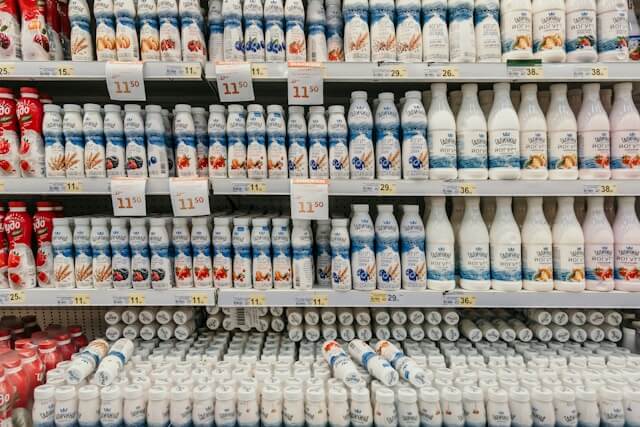

If you’ve tried buying soy milk in the past few years especially in the UK you may have noticed empty shelves. Several big supermarkets ran out of soy milk for weeks at a time in 2022, and things haven’t really bounced back to normal since.
That doesn’t mean the whole world is out of soy milk, or that we’re about to see a complete drought. But for anyone relying on a splash of soy in their morning coffee or using it for a plant-based diet, the shortage is real. And even if you’re just curious why the old nut/plant/dairy alternatives seem to run out more than regular milk, there’s a real story here.
What Actually Caused the Soy Milk Shortage?
Let’s start with the UK, because that’s where things boiled over first. Back in 2022, one of the biggest producers Alpro, which is owned by Danone ran into a serious production hiccup in one of its main UK factories. For regular shoppers, that translated to weeks where soy milk just didn’t show up in stores. Sometimes, it was months before regular stock returned.
This wasn’t just a matter of a slow delivery or two. The problem began with an actual manufacturing issue. At the time, Alpro and the supermarket chains confirmed the shortage but didn’t get into too much technical detail. That’s pretty normal in food production: a mechanical flaw, a supply gap, or regulatory stoppage in one place can throw the whole system off.
Then, even as production began to recover, things didn’t immediately improve. Soy milk demand had grown so fast (and still is, more on that later), so even a small disruption quickly turned into a big headache across retail.
Beyond the UK: Why the Shortage Didn’t End There
It would be nice to blame one unlucky event at one factory, but that’s only half the puzzle. Since then, soy milk shortages and price spikes have shown up in plenty of places. The main culprits? Broader issues with global supply chains, manufacturing backlogs, and a steady uptick in demand that big brands didn’t predict all the way.
By 2024, the story became global, not just British. Producers in Europe, North America, and parts of Asia all faced bumps sometimes at the farm, sometimes in factories, and sometimes just with getting trucks and ships to run on time. The ingredients themselves like soybeans are subject to worldwide shipping, import-export restrictions, and cost jumps. That means something as big as a shipping delay at a European port, or as subtle as a new trade tariff, can disrupt production everywhere.
This is where some economics shows up. If supermarkets can’t get enough soy milk to fill the shelves, they’ll ration what’s left and prices will swing up. Sometimes other brands or types (like almond or oat) pick up the slack, but soy is unique: it’s one of the oldest, most established plant milks, yet it still relies on a pretty small number of big suppliers.
What’s Happening with Supply Chains and the Global Market?
It’s easy to forget just how much supply chains run the modern world. When COVID and the Ukraine war rattled things, the effects hit way beyond their own regions. Production was interrupted, ports were blocked, costs spiked, and almost every industry food included scrambled to adapt.
Soy milk makers have to deal with a chain that starts on soybean farms (often in the US, Brazil, or China), moves to processing plants, and then goes through packaging and transport. At each step, there’s risk. A drought in Brazil, a political conflict in a shipping country, or a surge in fuel prices can all pass straight down the line and show up as a gap where soy milk is supposed to be.
Lately, the industry has seen “persistent supply chain challenges” and some economic and political worries that keep making it hard to catch up. Even if companies want to ramp up production, if the needed ingredients, packaging, or staff aren’t available, there’s not a lot they can do in the short term.
Why Soy Milk Is So Popular Now?
Anyone who shops for non-dairy options knows soy milk isn’t exactly new. But in the past decade, plant-based eating has really ramped up especially among people in their 20s and 30s, who are thinking more about their impact on the planet and their health.
Back when soy milk first hit supermarket shelves, it was a fringe thing mostly for vegans or people with lactose intolerance. Now, it’s everywhere. A quick look at trends shows that demand for plant-based milk alternatives has shot up much faster than most producers expected. Growing public interest in health, concern about animal welfare, and environmental pressure has pushed this along.
So even at the best of times, supply often runs close to demand. In 2025, the market for soy milk is expected to be volatile: still growing, but with prices bouncing around and companies struggling to match the speed of demand especially if tariffs or shipping costs change. When you have that many people counting on the same product, a single wrench in the chain can knock things off balance for everyone.
What Big Brands and Companies Have Tried to Do About It
Producers like Danone (which owns Alpro and a few other big soy milk brands) are pretty aware of the problem. Since the shortages really became noticeable, they’ve tried several things.
First, boosting production capacity. They’ve invested in their factories, even trying to redesign lines to make them more flexible and less dependent on any one ingredient, machine, or region.
Second, optimizing supply chains. That means better tracking systems, more backup suppliers, and digital processes that make it easier to spot bottlenecks before they happen.
Third perhaps most importantly they’ve gotten a lot better about sharing what’s going on with consumers. During the UK shortage in 2022, Alpro put out statements explaining that supplies were low and offering updates. It wasn’t always satisfying, but it did help shoppers plan, and it kept trust up.
More widely, across the food industry, you’re seeing more focus on building “resilient” supply chains. That’s code for making things less fragile even if it means extra costs. For soy milk, that might mean more local sourcing, closer partnerships between farmers and processors, or keeping extra inventory in storage so there’s a cushion during bad months.
Regulations and Collaborations: How the Industry Is Trying to Stabilize
Another response has been about compliance making sure companies are following new local and international rules on everything from food safety to labeling and tariffs. Given how much soy production and processing crosses borders, these regulations can have a quick effect on both cost and availability.
Collaborating across the whole value chain the step-by-step path from bean to bottle has also become a buzz topic. Food and drink manufacturers are teaming up more than before with logistic firms, retailers, and even competitors to streamline operations.
Some of this is about sharing information. If everyone in the chain has better insight into shifting demand and possible shortages, surprises are less likely and gaps can sometimes be avoided.
Will Shortages and Price Fluctuations Keep Going?
Many of us would like a neat answer: when can you expect reliable soy milk at your supermarket, and will prices settle down? But for now, the outlook is still mixed.
Market watchers think there’s a real chance for recurring shortages at least through 2025, even as companies keep improving operations. The pattern seems to be “one step forward, half a step back.” If demand keeps growing and new supply issues pop up, producers still risk falling behind.
Financial effects can be wildly different by country, too. In high-demand regions where plant-based milks are a staple, even a short shortage can drive up prices and frustrate customers. In lower-demand areas, stores might just skip stocking soy milk altogether for a few months.
At the same time, industry insiders are betting that continued investment in supply chains and adopting more digital systems will start to pay off. The hope is for a smoother flow from farm to shelf, fewer bottles getting stuck in transit, and less chance of future surprises.
If you’re curious about how other sectors deal with similar shortages or supply chain hiccups, sites like Daily Business View often cover the ups and downs across everything from grocery trends to tech products.
The State of Soy Milk Right Now and What’s Next
To sum it up: soy milk shortages started with one factory in the UK, but grew to highlight some real gaps in global supply. Most of the causes were out of the public’s view machine downtime, shipping delays, rules changing midstream, and surging demand.
Big brands have learned from those hiccups. They’re putting money and minds into making sure this isn’t a yearly problem. Still, full recovery takes time. That means we could see bumps in supply or price swings, at least in the short term.
If you drink soy milk regularly, it’s worth staying flexible maybe keeping an extra carton on hand or trying other plant-based options if you see your favorite brand running low. From the business side, it’s a lesson in just how connected our food system is now, and how even everyday items can depend on a long, surprisingly sensitive process.
For now, the industry’s working behind the scenes to fix the pipelines and meet demand. If all goes well, the worst of the shortages should fade but don’t be shocked if your local store has another dry spell before things really settle. The humble carton of soy milk is still riding out some big waves.
Also Read: