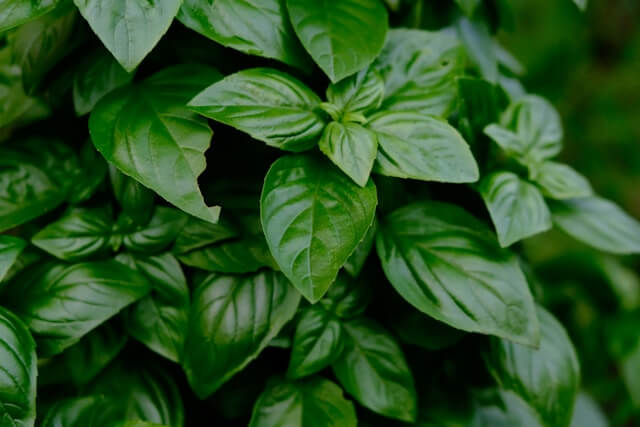

Fresh basil is a beloved herb that elevates everything from pastas to salads. Its aromatic leaves are a staple in kitchens worldwide. But recently, reports of difficulty finding basil in certain areas have caused concern. Is there really a basil shortage? And if so, what’s behind it? In this article, we’ll explore the factors contributing to basil availability issues, their impact, and practical solutions for consumers.
Is There a Basil Shortage?
While a widespread, national or global basil shortage is not currently being reported, basil supplies can be inconsistent due to several factors. Basil is highly sensitive to weather conditions, and as a tender annual, it is susceptible to frost and extreme temperatures.
Supply chain disruptions, often linked to adverse weather events, have historically caused localized shortages and price increases, as seen in past reports from different regions. Furthermore, diseases like basil downy mildew can significantly impact crop yield. These vulnerabilities mean that while the overall market for basil is growing, the fresh supply can fluctuate, leading to temporary periods of scarcity in certain areas.
Why Is There a Basil Shortage in 2025?
The basil shortage in 2025 can be attributed to several intertwined factors. One of the primary causes is the severe weather conditions and unpredictable climate patterns that have increasingly affected basil crops. Unusual temperature fluctuations, floods, and droughts, especially in basil-growing regions like Italy and the United States, have hindered the growth of this delicate herb. Moreover, climate change has exacerbated these unpredictable weather patterns, creating an unstable environment for basil farmers.
In addition to climate challenges, the supply chain disruptions caused by the pandemic continue to have lingering effects. Labor shortages, transportation issues, and delays in the distribution of agricultural products have made it difficult for fresh basil to reach markets on time. This issue is compounded by increased global demand, particularly in restaurants and foodservice businesses, which rely heavily on fresh herbs for flavor.
The Basil Shortage’s Effect on Farmers and Businesses
For farmers, the shortage has been a double-edged sword. On one hand, higher prices can help offset smaller yields. On the other hand, many small-scale growers are unable to fight plant diseases or invest in controlled environments like greenhouses, leaving them vulnerable to total crop loss.
Restaurants and food manufacturers are also feeling the strain. Italian, Mediterranean, and Thai eateries rely heavily on basil for signature dishes. Some have resorted to smaller portions, higher menu prices, or substituting other herbs to keep up with demand. Importers and wholesalers are paying more, which trickles down to consumers at the checkout line.
What Consumers Can Do During a Basil Shortage
Even though basil might be harder to find, consumers aren’t powerless. Here are some ways to adapt:
- Grow Basil at Home: Basil grows well indoors on windowsills or in small pots, making it one of the easiest herbs to cultivate.
- Buy in Bulk and Preserve: If you find fresh basil, you can freeze it, dry it, or make pesto to store for later.
- Check Local Farmers’ Markets: Smaller farms often supply local markets, where basil may still be available even when grocery stores run short.
- Adjust Recipes: Consider reducing the amount of basil in recipes and balancing flavors with other fresh herbs.
Alternative Herbs and Substitutes for Basil
When basil isn’t available, there are excellent alternatives that can still deliver fresh, vibrant flavor:
- Oregano: Strong and earthy, perfect in pasta sauces.
- Mint: Works well in salads, Mediterranean dishes, and even cocktails.
- Cilantro: A fresh, citrusy option, especially in Asian and Latin American recipes.
- Parsley: A versatile and mild substitute, good for garnishes and sauces.
-
Spinach + Herbs Combo: Spinach blended with a bit of oregano or parsley can mimic basil in pesto.
The Future of Basil Supply
The big question is whether the basil shortage will last. Experts suggest that the problem won’t disappear overnight. Climate instability, plant diseases, and supply chain issues are ongoing challenges. However, advances in greenhouse farming, hydroponics, and disease-resistant basil varieties may help stabilize supply in the coming years. If these innovations scale up, consumers could see more consistent availability, even if prices remain somewhat elevated.
Conclusion
The basil shortage, though localized, has highlighted the fragility of food supply chains and the importance of adaptability. Understanding the reasons behind basil scarcity, from weather challenges to rising demand, helps us prepare for similar issues in the future.
Consumers can take proactive steps, such as growing their own basil or exploring substitutes, to navigate shortages with ease. Farmers and businesses, meanwhile, can embrace innovative farming methods and logistical improvements to stabilize supply.
While the path forward isn’t without hurdles, the resilience of growers, businesses, and consumers ensures that basil will remain a kitchen staple. By working together, we can overcome shortages and savor the flavors of this cherished herb for years to come.
Also Read: