
A cracked window gets fixed. But small daily habits, coffee grounds down the sink, ignored drips, unreported wobbles, quietly bleed maintenance budgets. Individually harmless. Collectively, thousands of dollars are hiding inside utility bills and emergency repairs.
Coffee Grounds and Greasy Drains
Breakrooms are ground zero for small maintenance drains. A microwave slammed shut a hundred times a day loosens the door latch. A sink used to rinse paintbrushes or wash machinery parts clogs with materials never meant for plumbing. The most expensive habit, however, involves pouring cooking grease, coffee creamer residue, and leftover food scraps directly down the drain instead of scraping them into the trash.
Over weeks, this creates a cement-like buildup inside pipes. Suddenly, the facility faces a weekend emergency call: flushing grease and oil plumbing damage that has solidified into a rock-hard blockage. What would have cost $15 for a grease trap cleaning now costs $3,500 for an after-hours hydro-jetting and pipe inspection. Add in the lost production time while three restrooms remain closed, and the number climbs higher.
- Microwaves, refrigerators, and ice makers suffer premature seal failures from doors being kicked or shoved rather than closed gently.
- Disposal units jam when employees drop metal utensils or plastic wrappers down the drain, requiring plumber visits.
- Under-sink leaks go unreported for months because nobody checks that cabinet, until mold remediation costs ten times the repair.
The HVAC Whisperer Nobody Hired
Heating and cooling systems account for nearly 40 percent of commercial building energy use. Yet small behavioral leaks sabotage them constantly. Stacking boxes, file folders, or returned merchandise directly against an air return vent forces the fan to work twice as hard.
Setting thermostats to extreme temperatures to “speed up” heating or cooling does nothing except wear out compressors and burn through coils. Worse, employees who bring in space heaters because their desk feels drafty create a double drain: the space heater draws huge power, and the unbalanced HVAC continues blasting air to compensate.
- Dirty filters from skipped monthly changes cause systems to run longer cycles, increasing energy bills by 15 percent or more.
- Leaving loading dock doors open while forklifts idle lets conditioned air pour outside, overworking fans and filters.
- Unauthorized window air conditioners in office buildings with central HVAC trigger pressure imbalances and freeze-ups.
Lighting Leftovers
Modern LED fixtures last for years, but small habits still drain lighting budgets. Motion sensors get taped over or blocked by hanging decorations, so lights stay on all night in conference rooms and bathrooms. Exit signs with aging batteries beep for weeks before anyone places a work order, and that beeping means the emergency backup is failing, a safety code violation.
The highest hidden cost comes from “lamp-stripping”: well-meaning staff remove a flickering tube from a four-lamp troffer and leave the ballast running the remaining three lamps. That unbalanced load burns out the ballast twice as fast, turning a $15 lamp swap into a $200 fixture replacement.
- High-bay warehouse lights left on over empty aisles because the switch is “too far away” wastes electricity equivalent to a small home.
- Exterior dusk-to-dawn fixtures covered in spiderwebs and dirt lose 30 percent of light output, leading to requests for brighter fixtures.
- Broken light switches get jiggled into an “on” position rather than repaired, causing lights to run 24/7.
The Phantom Load of Unreported Wear
The most dangerous efficiency leak is silence. An employee hears a bearing grinding on a conveyor belt but doesn’t report it because “someone else probably already did.” A janitor notices a water stain spreading on a ceiling tile, but assumes maintenance already knows.
A front-desk worker feels a door closer getting weaker every week, yet no work order is filed. Each unreported symptom turns a $200 preventive repair into a $2,000 emergency replacement. The company pays for expedited shipping, overtime labor, and collateral damage, like a door that finally slams shut and cracks its frame.
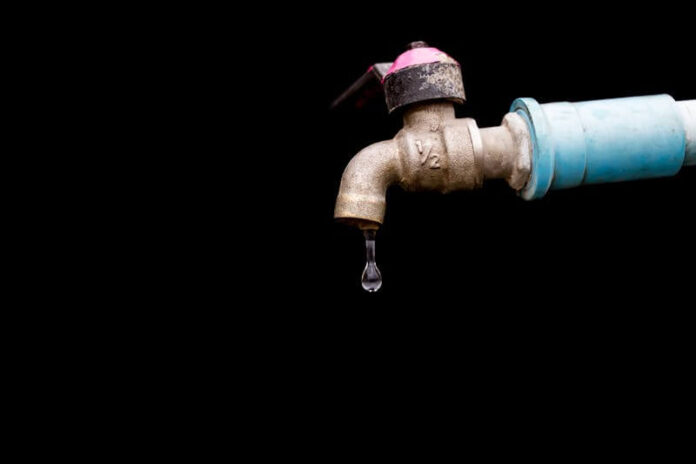
- Dripping faucets left unreported for six months waste 2,000 gallons of water and cost 50 percent more to repair once corrosion sets in.
- Wobbling ceiling fans shake loose their mounting screws; a $10 tightening becomes a $400 fan and drywall repair.
- Gaskets on walk-in freezers that don’t seal properly cause compressors to run nearly nonstop.

Plugging the Leaks Without Yelling at People
Fixing small habits doesn’t take strict rules or passive-aggressive signs. It takes visibility, like posting maintenance costs on the breakroom bulletin board. A simple drain strainer or a QR code by the sink makes reporting a drip take ten seconds. When people see quick fixes happen, the culture shifts.
Small habits don’t feel dangerous until they become expensive emergencies. A little attention, a quick report, a smarter daily routine, those plug the real leaks without waiting for something to break.