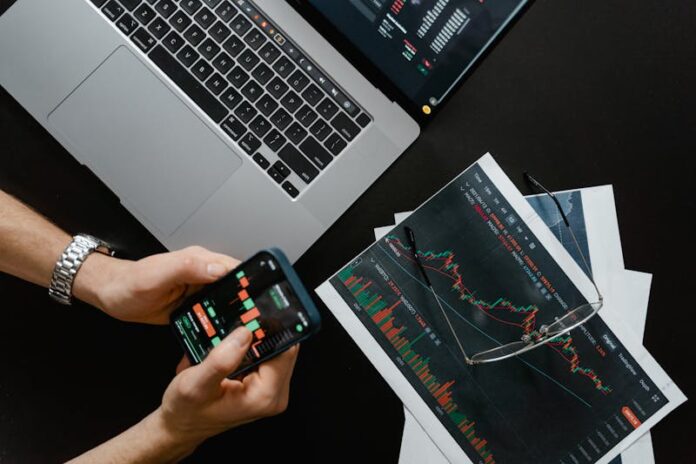

You’ve watched the videos, scrolled the threads, and you’re ready. Trading is exciting, but let’s be real for a second.
Every successful trader started exactly where you are now, and made painful mistakes so you don’t have to.
The “Get Rich Quick” Mindset (And Why It Backfires)
Let’s address the elephant in the room. Most people get into trading because they hear stories of 100x gains. They see a chart going vertical and think, “If I just throw in my savings, I could double it by next week.”
This is the fastest way to lose money. When desperation for a win takes over, trading stops and gambling begins. Absurd risks are taken, pumps that are already dying get chased, and losing positions are held onto because the thought of missing out on a moonshot becomes unbearable.
How to avoid it:
- Shift the mindset: View trading as a business or a skill, not a lottery ticket. A doctor doesn’t expect to be a neurosurgeon after a week of study. Why should trading be any different?
- Set realistic goals: Aim for consistent, small gains. If an account can grow by 1-2% a week consistently, the compounding effect over a year is massive. Slow and steady wins this race.
Neglecting the Backbone: Security and Accessibility
When starting out, it’s easy to get tunnel vision. Focus is so locked on charts and prices that the boring stuff gets forgotten. But if the boring stuff fails, nothing else matters. The best strategy in the world is useless if funds can’t be accessed when needed, or if they’re not secure.
This is where understanding the tools of the trade comes in. A modern, reliable platform can save a ton of headaches. For example, when ready to move funds or take profits, having a seamless way to do it is crucial. Using a feature like ZOOMEX P2P trading allows users to buy and sell crypto directly with other participants, often with more payment options and better rates than traditional methods. It’s a small piece of the puzzle, but for a new trader, having that flexibility and security with a platform backed by experienced leadership means one less thing to worry about, letting focus remain on the actual trading strategy.
Trading Without a Safety Net (No Stop-Loss)
A stop-loss is an order set to automatically sell an asset if it drops to a certain price. New traders often skip this because they think, “It’ll come back up.” Sometimes it does. But sometimes it doesn’t. And when it doesn’t, a trade goes from a manageable 5% to a catastrophic 50% while away from the screen or asleep.
How to avoid it:
- Always use a stop-loss: Before entering a trade, the exact point where the thesis is proven wrong must be decided. That’s the stop-loss. It should be set immediately.
- Don’t move it out of fear: If a stop-loss is hit, the trade was wrong. Accept the small loss and move on. Don’t move the stop-loss lower just to give the trade “more room”.
Revenge Trading: Digging the Hole Deeper
It happens to everyone. A trade gets stopped out for a loss, and five minutes later, the chart starts moving exactly as originally predicted. The immediate reaction is to jump back in with a bigger position to “get it back.”
This is revenge trading. It’s emotional, impulsive, and almost always ends in another loss. The market doesn’t know a trader had a losing trade, and it certainly doesn’t owe anyone anything.
How to avoid it:
- Walk away: After a losing trade, step away from the screen. Go for a walk, make a coffee, do anything to reset the mental state for at least 15-30 minutes.
- Stick to the plan: If a solid trading plan exists, one loss doesn’t invalidate it. Trust the process, not the emotions.

Overcomplicating Everything
New traders go indicator-crazy. Charts end up looking like a rainbow mess with RSI, MACD, and Bollinger Bands everywhere. The thinking? More lines must mean better trades.
Wrong. It just creates confusion when one says buy, and another says sell. Meanwhile, price action moves on without them.
How to avoid it:
- Keep it simple: Master one or two indicators and learn to read pure price action (candlestick patterns, support, and resistance). A clean chart is a clear mind.
- Less is more: The price already factors in most of what those indicators are trying to tell. Focus on the story the candles are telling.
Ignoring the Calendar
The market doesn’t exist in a vacuum. A great technical setup can be completely destroyed by a single piece of news. New traders often place trades right before major economic announcements without realizing the chaos that’s about to ensue.
When these events hit, volatility explodes. Prices can spike or dump hundreds of points in seconds, triggering stop-losses and liquidating positions before a trader can even blink.
Every new trader will make mistakes; it’s part of the journey. The goal isn’t perfection, but progress. Learn from each loss, stick to the plan, and stay patient. Success comes to those who treat trading as a marathon, not a sprint.